


Hewei Technology Secures Industry Attention with Patented PU Seating Innovations for Public Facilities
Hewei Technology Development Company is drawing industry attention following the introduction of a patented polyurethane seating platform that reimagines how public seating is designed, manufactured, and maintained.
The company announced that its newly developed PU self-skinning seating solutions incorporate breakthroughs in both internal seat architecture and surface protection technology—two areas long recognized as critical challenges within the public seating sector.
The launch comes at a time when infrastructure operators worldwide are seeking durable furnishings capable of reducing maintenance costs while improving user experience.
From airports and transportation terminals to hospitals and government facilities, seating often endures continuous daily use, making durability and cleanliness essential purchasing considerations. As a leading laboratory chair manufacturer, Hewei believes its latest innovation could help redefine expectations for public seating performance.
Seven Years of Research Leads to Major Breakthrough
According to the company, the new product platform is the culmination of more than seven years of intensive research, product testing, and field observation.
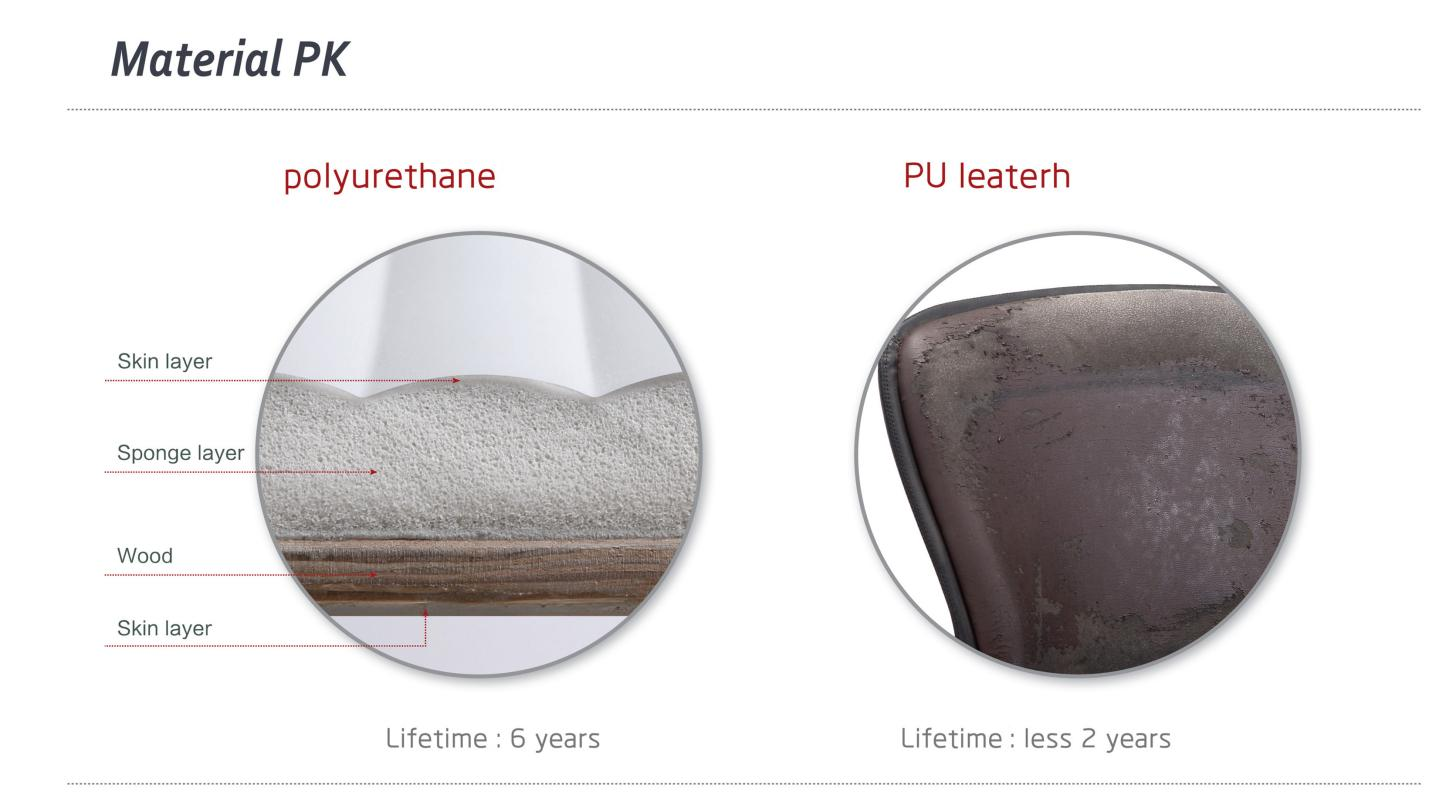
Engineers studied how traditional PU seating performs under real-world conditions and identified recurring issues, including surface wear, structural rigidity, limited resilience, and shortened product lifespan.
By combining practical usage data with material science research, the development team created a new manufacturing approach designed to enhance both comfort and durability.
The company's production process incorporates advanced German polyurethane technology and utilizes reaction injection molding to streamline manufacturing while ensuring product consistency. As part of the process, a self-forming PU skin develops on the seat surface, producing a finish that is both soft to the touch and structurally robust.
Reinventing Seat Comfort Through Structural Innovation
One of the most notable aspects of the new seating system is its redesigned internal support framework.
Traditional PU seating often relies on rigid support structures that can compromise overall seating comfort. Hewei engineers developed an alternative design featuring carefully positioned spring hooks and spring plates integrated within the frame. This arrangement allows the seat to respond dynamically to body pressure, providing localized softness while maintaining overall support and tension.
Users experience improved rebound characteristics, reduced pressure concentration, and enhanced seating comfort during prolonged periods of use. The company also introduced additional spring elements beneath primary support points to improve impact absorption and compression resistance.
These enhancements not only increase comfort but also contribute to improved fatigue performance and extended operational life. Testing indicates that the seats are capable of meeting international BIFMA performance requirements, an important benchmark for commercial furniture products.
Patented Surface Technology Targets Cleanliness and Maintenance
Recognizing that surface deterioration remains one of the primary reasons for seat replacement, Hewei invested heavily in coating research.
Working alongside academic partners, researchers discovered that microscopic pores naturally present on molded PU surfaces can permit moisture penetration, eventually leading to staining, bacterial growth, mildew, and material degradation.
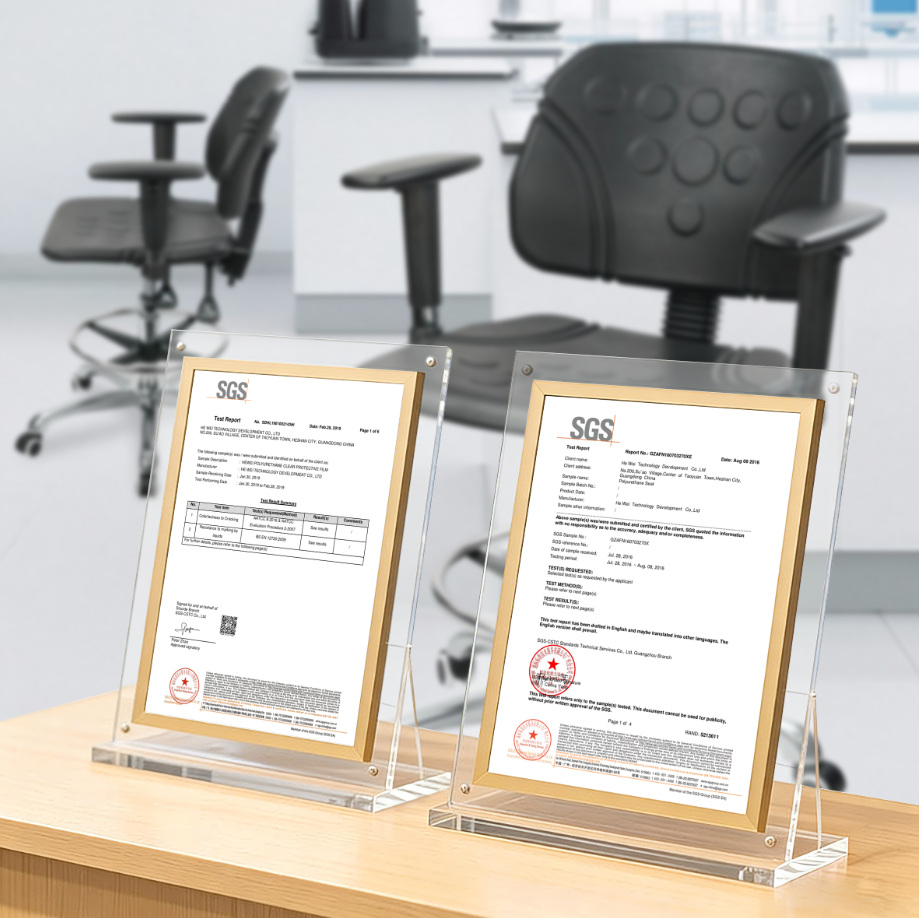
To address this issue, the company developed a transparent PUR coating system and secured related patents and testing certifications. The coating forms a protective layer over the PU surface, reducing permeability and helping prevent contamination.
Additional benefits include increased abrasion resistance, scratch resistance, improved stain removal, and resistance to temperatures up to 100 degrees Celsius.
Routine cleaning can typically be performed using standard furniture cleaning products, potentially reducing maintenance requirements for facility operators.
Supporting Sustainable Long-Term Use
By extending product lifespan beyond traditional PU seating, Hewei believes its innovation may also contribute to sustainability goals by reducing replacement frequency and associated material waste.
The company currently operates automated manufacturing facilities supported by comprehensive quality management systems and environmentally compliant production processes. With ongoing investments in research and development, Hewei plans to continue expanding its range of specialized PU seating solutions for public and commercial applications.
As demand grows for high-performance furnishings capable of balancing aesthetics, comfort, hygiene, and durability, the company expects advanced polyurethane technologies to play an increasingly important role in the future of public infrastructure.
